
Eastmallbuy Finds
Spreadsheet
OVER 5000+
WITH QC PHOTOS
Click the images below to browse!
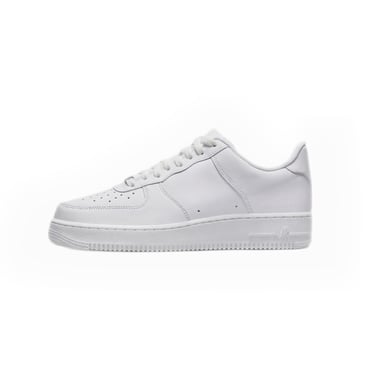




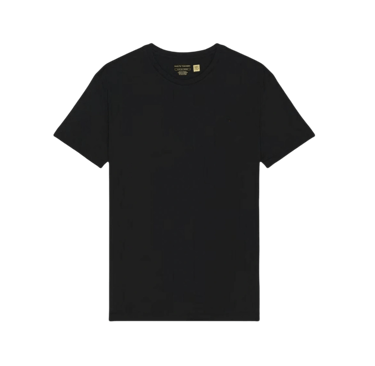
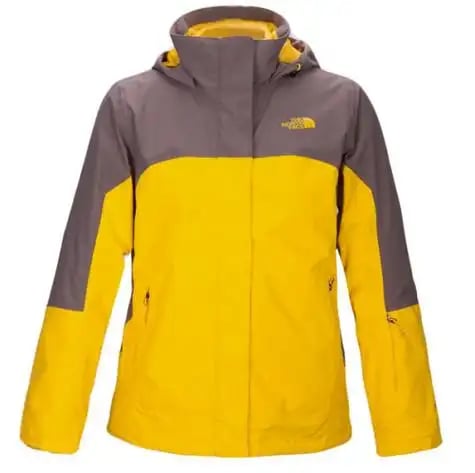


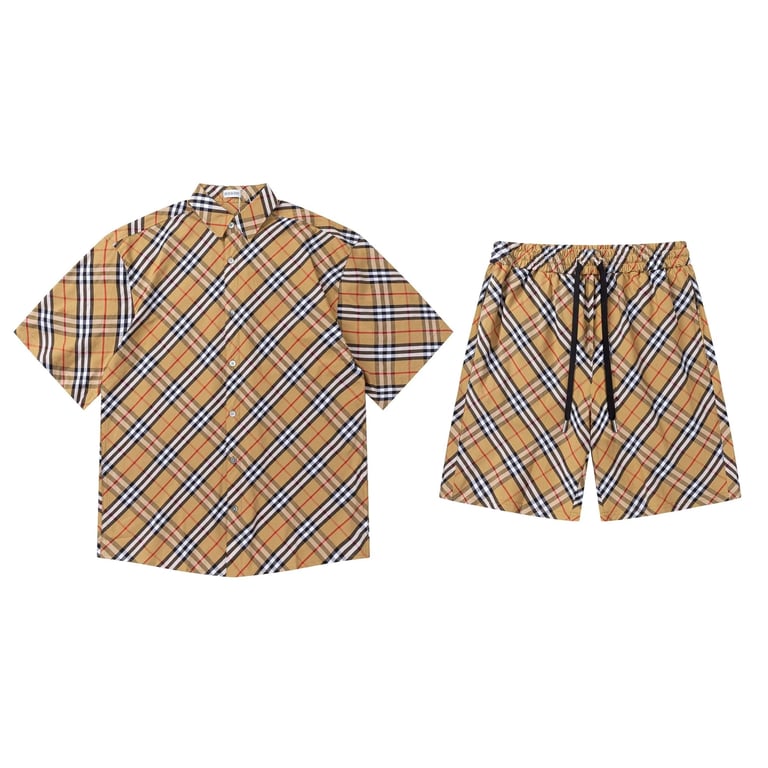
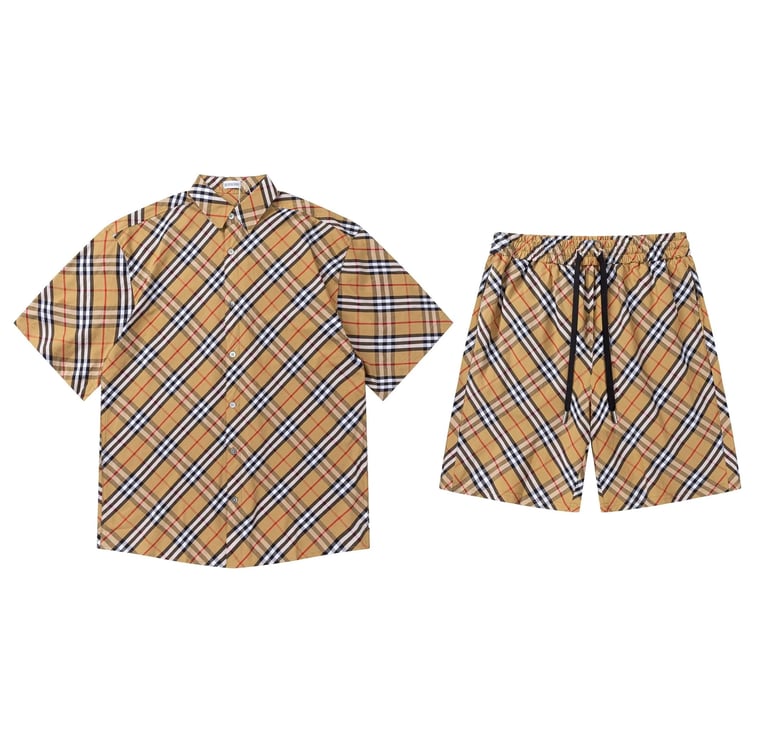
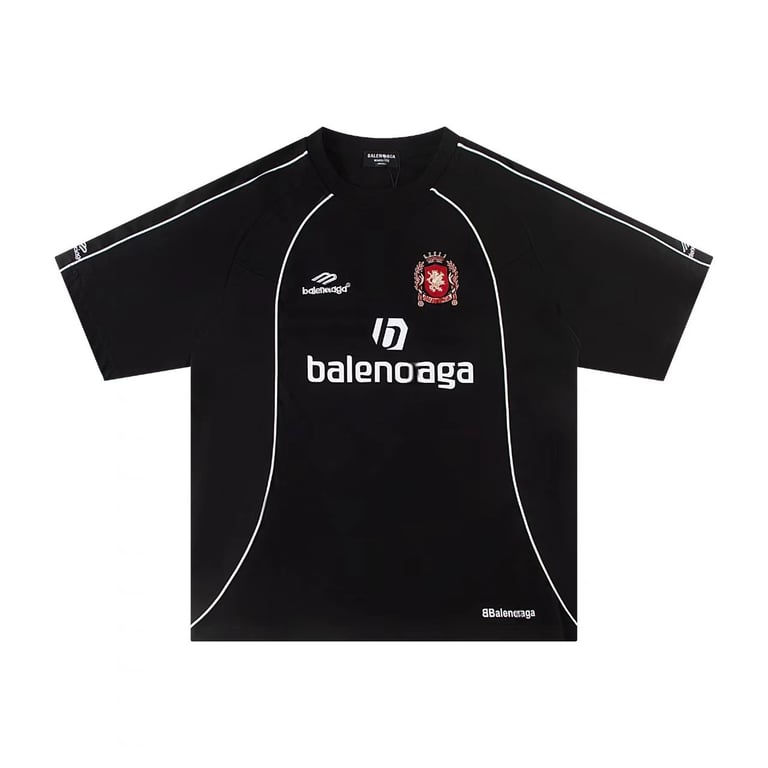
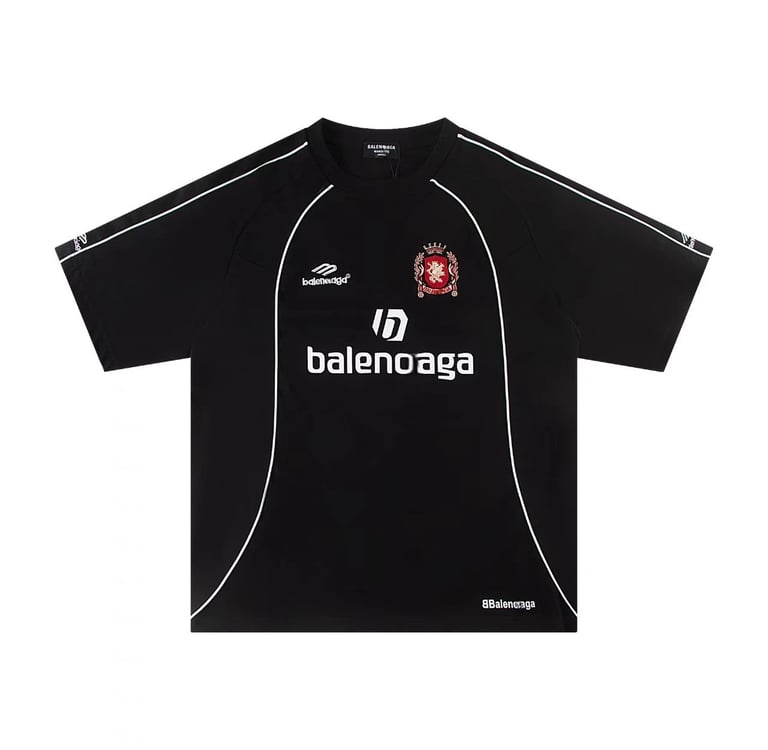



🌐 Eastmallbuy spreadsheet improving cross-border ecommerce user experience design|UX flow + decision clarity + browsing structure
🧭 Introduction
Cross-border ecommerce user experience is heavily influenced by how information is structured before users begin interacting with products. In many cases, UX problems do not originate from interface design alone, but from the underlying organization of product data, which directly affects how users move through browsing, comparison, and purchase decisions.
The Eastmallbuy spreadsheet introduces a structured experience layer that reshapes UX flow by organizing fragmented cross-border product data into consistent browsing and decision pathways. Alongside this, Eastmallbuy links function as structured entry points that reduce navigation randomness and support more predictable user journeys across distributed product sources.
This system focuses on aligning information architecture with real user decision behavior.
🧭 UX flow in cross-border shopping systems
UX flow in cross-border ecommerce is not limited to interface transitions; it is defined by how smoothly users can move from product discovery to evaluation and final decision.
In fragmented environments, UX flow is typically disrupted by:
Switching between inconsistent product sources
Rebuilding context during each comparison step
Repeating search and filtering actions
Losing decision momentum across browsing sessions
The Eastmallbuy spreadsheet stabilizes this flow by maintaining structured product continuity, allowing users to remain within a coherent browsing environment rather than restarting the decision process repeatedly.
🧠 How information structure influences user decisions
User decisions in ecommerce are strongly shaped by how information is presented rather than the information itself. When product data is unstructured, users must interpret relationships manually, which increases cognitive effort and slows down decision-making.
Structured systems improve decision behavior by:
Reducing ambiguity between similar products
Making comparison dimensions more explicit
Preserving contextual relationships between items
Supporting faster mental categorization
The Eastmallbuy spreadsheet reinforces these effects by organizing products into predefined relational structures, enabling users to evaluate options within a consistent interpretive framework.
🧩 Browsing structure and cognitive load reduction
Browsing structure plays a key role in reducing cognitive load during product exploration. Without structured navigation, users must continuously switch attention between unrelated listings, which increases mental effort and decreases efficiency.
A structured browsing environment improves usability by:
Grouping related products into unified clusters
Minimizing unnecessary navigation steps
Reducing repeated evaluation of similar items
Keeping decision context stable throughout browsing
The Eastmallbuy spreadsheet applies these principles by ensuring that browsing occurs within structured product groups rather than isolated listings, allowing users to process information more efficiently.
⚙️ Mechanism of decision clarity formation
Decision clarity emerges when users can compare options within a stable and structured environment. In unstructured systems, clarity is reduced because each product is evaluated in isolation, without consistent reference points.
Key mechanisms that improve decision clarity include:
Stable comparison frameworks across products
Consistent attribute visibility between items
Reduced variability in presentation formats
Clear relational positioning of alternatives
The Eastmallbuy spreadsheet enhances decision clarity by maintaining structured relationships between comparable products, allowing users to make evaluations without repeatedly redefining comparison criteria.
🧠 UX design theory and user behavior modeling
From a UX design perspective, effective systems reduce friction not only at the interface level but also at the data organization level. User behavior modeling shows that decision efficiency improves when:
Interaction paths are predictable
Comparison structures remain consistent
Information hierarchy is visually and logically stable
Navigation requires minimal cognitive recalibration
The Eastmallbuy spreadsheet integrates these principles by embedding structure into the earliest stage of product interaction, shaping user behavior through consistent data organization rather than reactive interface adjustments.
🧾 Conclusion
In unstructured cross-border shopping environments, user interaction typically oscillates between exploration and re-orientation. Each time new products appear, users must re-establish context, re-compare options, and re-evaluate relevance, which results in a fragmented and non-linear browsing experience.
After introducing the Eastmallbuy spreadsheet, this behavioral pattern shifts noticeably. Users no longer restart their decision process at each interaction point; instead, they operate within a consistent informational environment where product relationships remain stable across browsing stages.
The overall experience transitions from repeated cognitive reprocessing to continuous state-based navigation, where user movement is guided by maintained structure rather than recurring interpretation.


🌐 Eastmallbuy spreadsheet reducing complexity in global product decision-making|decision fatigue + product clarity + comparison flow
🧭 Introduction
Global ecommerce environments often overwhelm users with excessive product variety, inconsistent presentation formats, and fragmented supplier structures. As a result, decision-making becomes increasingly complex, not because of limited choice, but because of reduced clarity across comparable options.
The Eastmallbuy spreadsheet addresses this complexity by introducing a structured decision framework that organizes products into comparable groups and reduces cognitive friction in global shopping environments. In addition, Eastmallbuy links provide direct access to pre-structured product clusters, minimizing unnecessary navigation steps.
This list-based breakdown explores how decision complexity arises and how structured systems reduce it.
🧠 1. Sources of decision fatigue in global ecommerce
Decision fatigue emerges when users are required to repeatedly evaluate similar options without clear reference structures. In cross-border shopping systems, this is intensified by inconsistent data presentation and fragmented supplier ecosystems.
Key sources include:
Repeated comparison of nearly identical products
Lack of standardized product descriptions
Excessive category switching during browsing
Unclear differentiation between alternatives
Continuous re-evaluation of previously viewed items
The Eastmallbuy spreadsheet reduces these triggers by organizing comparable products into stable comparison groups.
📊 2. Five typical information overload scenarios
Information overload does not appear in a single form but emerges through recurring patterns during shopping journeys:
1. Excessive product duplication
Multiple suppliers list the same or similar items with different labels.
2. Unstructured category navigation
Users move between unrelated product groups without continuity.
3. Multi-tab comparison behavior
Users repeatedly open different sources to manually compare attributes.
4. Inconsistent pricing visibility
Prices vary without contextual explanation, increasing uncertainty.
5. Fragmented review accumulation
Product feedback is scattered across platforms with no unified view.
The Eastmallbuy spreadsheet consolidates these scenarios into structured datasets, reducing interpretive effort.
🔄 3. How comparison flow reduces selection cost
Comparison flow refers to the sequence users follow when evaluating multiple product options. In unstructured systems, this flow is broken, forcing users to restart comparisons repeatedly.
A structured comparison flow improves efficiency by:
Keeping similar products within one visual group
Allowing side-by-side evaluation without context switching
Preserving comparison criteria across browsing sessions
Reducing repeated decision recalculation
The Eastmallbuy spreadsheet strengthens this flow by embedding comparison logic directly into product organization.
⚙️ 4. Spreadsheet-based structuring and simplified decision paths
Structural organization plays a central role in reducing cognitive load. When products are pre-grouped and logically arranged, users no longer need to construct comparison frameworks manually.
Key simplification effects include:
Reduced number of decisions per browsing session
Faster identification of relevant alternatives
Elimination of redundant search loops
Clear separation between comparable product sets
The Eastmallbuy spreadsheet functions as a pre-structured decision environment where product relationships are already defined before user interaction begins.
🧠 5. Behavioral economics and decision psychology perspective
From a behavioral economics standpoint, decision fatigue increases when individuals face too many similar options without clear differentiation cues. This leads to delayed choices, avoidance behavior, or reliance on arbitrary selection shortcuts.
Key psychological mechanisms include:
Cognitive overload from excessive similarity
Reduced willingness to continue evaluating options
Preference for simplified decision environments
Increased reliance on structured cues for final choice
The Eastmallbuy spreadsheet mitigates these effects by reducing perceived complexity through structured comparison frameworks.
🧾 Conclusion
Decision-making in global ecommerce is not constrained by lack of options, but by the increasing cognitive cost of processing them. When users are exposed to fragmented product information, each choice requires additional mental effort to reconstruct context, leading to slower and less confident decisions.
The Eastmallbuy spreadsheet reduces this burden by embedding structure directly into the comparison environment, allowing users to evaluate options within predefined relational groups rather than isolated listings. Instead of expanding the number of choices, it reduces the effort required to understand those choices in relation to one another.
This shifts product selection from a repetitive evaluation cycle into a more streamlined decision path where clarity emerges from structure rather than extended comparison effort.